Recovery scores are often misunderstood because people focus on daily highs instead of long-term balance.
Seeing recovery in the 90s feels great.
But context matters.
If your average recovery score (weekly or monthly) is consistently very high, it usually means one thing:
Your body has already adapted to the total stress you’re applying.
That includes:
Training load
Volume and intensity distribution
Life stress
Sleep and nutrition
When recovery is always high, the system isn’t being challenged enough to drive further adaptation. You’re maintaining — not progressing.
On the other end of the spectrum, consistently low average recovery usually signals the opposite problem:
Too much training stress
Too little recovery
Or ongoing compensation from sleep, nutrition, or life stress
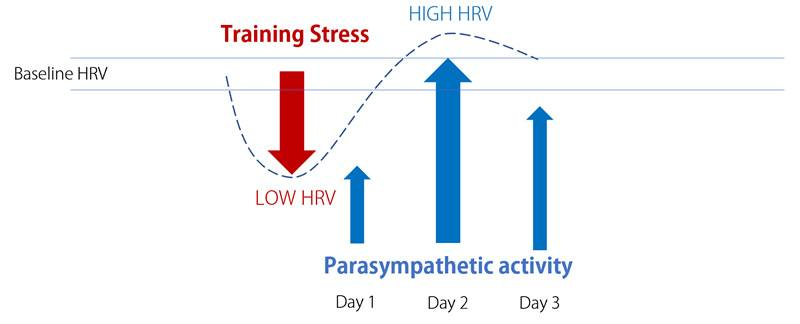
That’s where performance stagnates, HRV trends down, RHR trends up, and fatigue quietly accumulates.
Why the low–mid 80s works
An average recovery score in the low to mid 80s typically reflects:
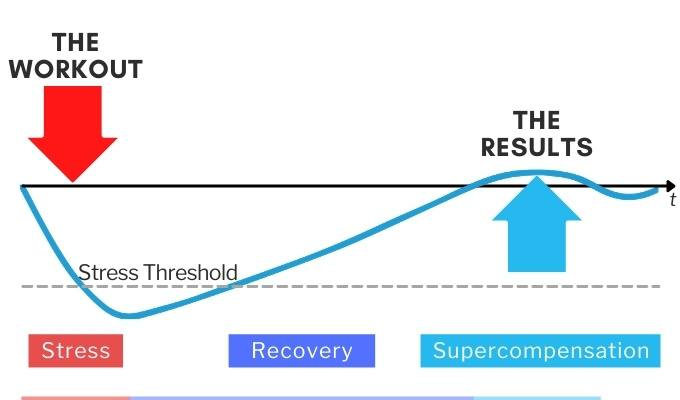
Enough stress to force adaptation
Enough recovery to absorb that stress
A nervous system that is challenged, but not overwhelmed
This is where progress tends to happen.
Not every day will feel great.
Not every score will be “green.”
And that’s normal.
Think in averages, not single days.
Recovery is not a daily grade.
It’s a trend-based signal.
One high day doesn’t mean you’re undertraining.
One low day doesn’t mean you’re broken.
What matters is:
The weekly average
The monthly pattern
And how performance is responding over time
The goal isn’t perfect recovery
The goal is productive stress.
High recovery every day = no pressure to adapt
Low recovery all the time = too much pressure to adapt
The middle ground — low to mid 80s as an average — is where stress and recovery are actually doing their job.
That’s the balance most people should be aiming for.